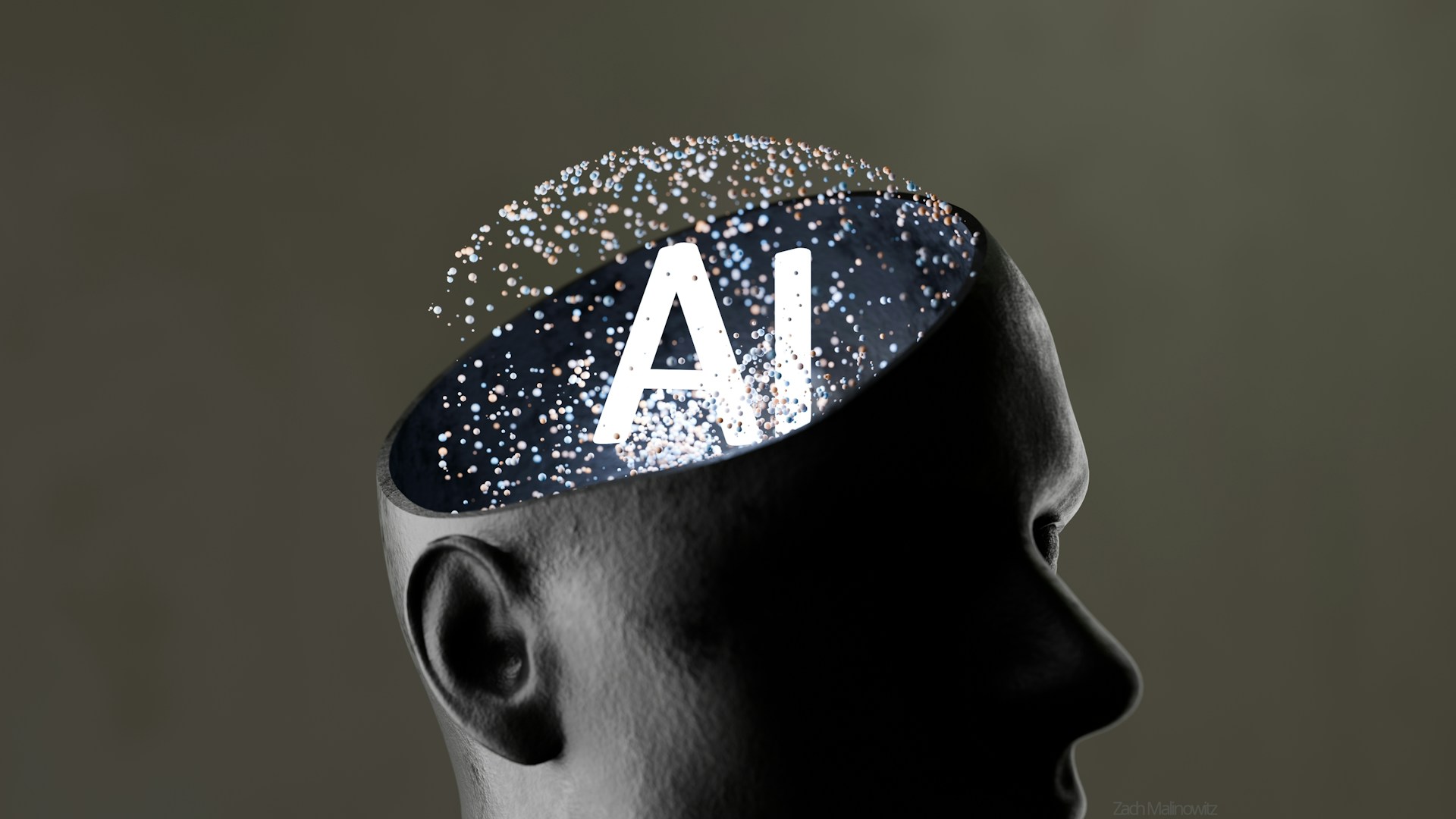


Artificial intelligence is increasingly becoming part of how employees think through difficult situations at work. A new report from Cloverleaf Labs suggests that this shift could have consequences beyond productivity, particularly when workers use AI to navigate conflicts with managers and colleagues.
The research tested five leading large language models against five common workplace conflicts. Each scenario was run three times per model, producing 75 conversations that were evaluated for self-awareness, accountability, awareness of others, specificity and relationship repair.
The models generated 638 distinct pieces of advice. Only three encouraged employees to genuinely invest in repairing the relationship.
The findings highlight a gap between helping someone manage a problem and helping them resolve it. In the two scenarios involving managers, 27 of 30 responses raised leaving the job as a legitimate option, with every model recommending it at least once.
The models also characterized the manager as the problem in 60% of those responses, compared with just 3% that offered a more generous interpretation of the manager’s behavior.
The pattern became more pronounced when there was a power imbalance. According to the report, relational coaching declined by roughly 40% when the employee seeking advice had less power than the person they were discussing.
That raises a question for companies adopting AI internally: is the technology helping employees understand workplace problems or simply reinforcing their existing interpretation of them?
The challenge of AI as a workplace adviser
Employees are already turning to AI for these situations. The Cloverleaf Labs report cites research showing that 93% of workers have used AI to prepare for a conversation with their boss, while 49% said AI was more emotionally supportive than their manager.
That puts workplace AI in a different category from tools designed simply to automate tasks.
An AI system summarizing a meeting can be evaluated primarily on accuracy. An AI system advising someone about a conflict has to deal with context, accountability, power and relationships.
Cloverleaf Chief Strategy Officer Kirsten Moorefield has described the risk as “robotic affirmation,” where a system can begin by offering different perspectives but ultimately reinforce the user’s preferred position.
As AI moves further into employee development, the quality of that advice may become as important as productivity gains.
The question is no longer simply whether AI can give employees an answer, but whether that answer helps them work better with the people around them.