
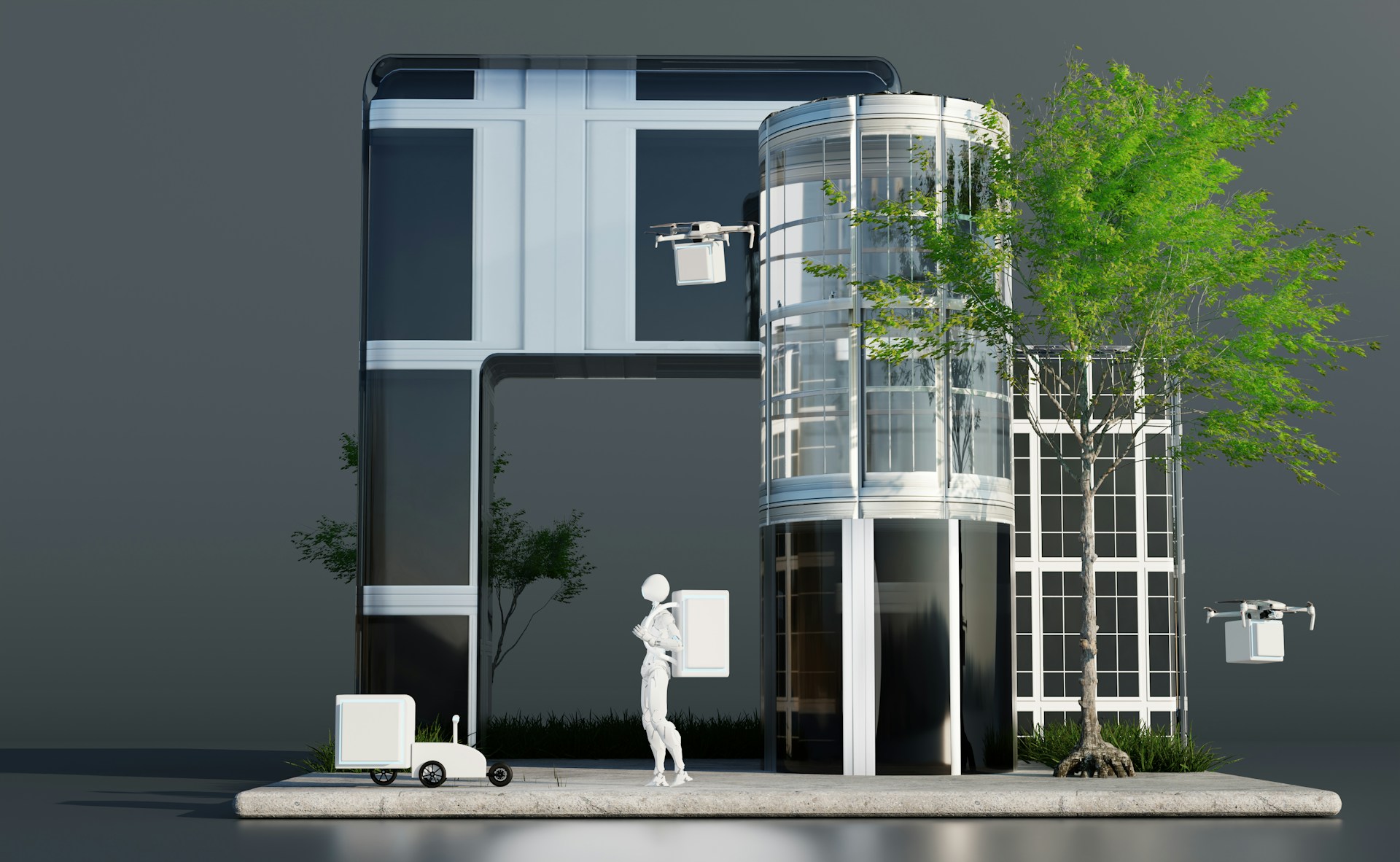


Robotics has often been presented as a technology that will allow large companies to automate more of their operations. But a different model is beginning to emerge: giving smaller businesses access to robots as part of a service rather than requiring them to develop or purchase the entire technology stack themselves.
The approach, often described as robotics-as-a-service, could be particularly relevant in industries where specialized equipment is expensive, difficult to operate, or requires additional training and certification.
Commercial building cleaning is one example.
Drones capable of cleaning windows and building exteriors have been available for years, but operating the equipment is only one part of running a commercial cleaning business. Finding customers, obtaining training, meeting regulatory requirements, managing equipment, and delivering consistent work can be equally important.
That is the gap Dallas-based SkyPSI is attempting to address.
Building a business around the robot
SkyPSI launched with a model that combines commercial cleaning services with an operator program. Instead of simply selling a drone, the company provides independent operators with equipment, training, support, and access to commercial cleaning work.
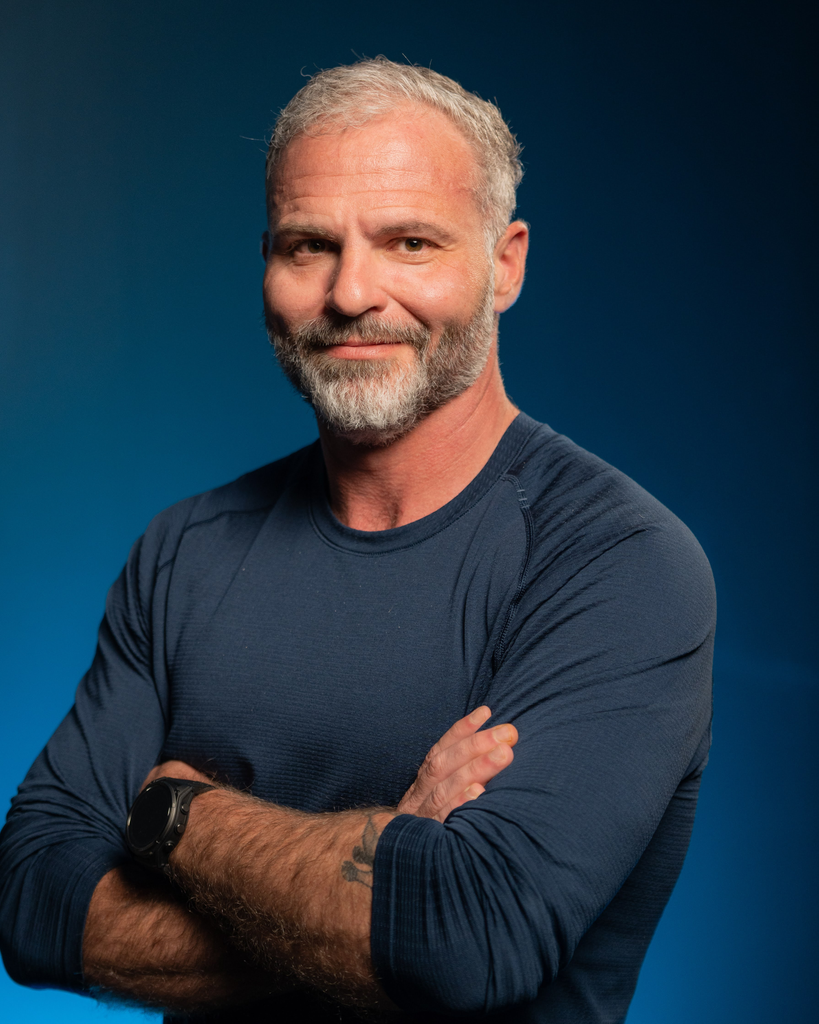
The company is backed by founder and CEO Vic Pellicano, who has committed $5 million of his own capital to the business. Pellicano previously founded AI robotics company Avianna, which was acquired by Lucid Bots in 2024. During his time at Lucid Bots, the company reported more than $75 million in operator-network work and nearly 1,000 robots deployed.
The model is designed around a simple distinction: the operator owns and runs an independent business, while SkyPSI provides some of the infrastructure needed to operate it.
The company says qualified operators can start at $3,000 per month, with equipment, training, support, and assistance finding commercial work included. SkyPSI also says one paid commercial job is guaranteed after qualification.
The underlying equipment is an Apellix B2 cleaning system, which SkyPSI lists with a published flight time of up to 32 minutes and a reach of up to 195 feet.
For existing cleaning companies, the proposition is different. Rather than replacing an established business, drone equipment can be added to an existing operation to handle work that would otherwise require lifts, ropes, suspended platforms, or other access methods.
SkyPSI’s commercial operation also does not rely exclusively on drones. The company combines aerial cleaning with traditional methods, including water-fed systems, pressure washing, soft washing, and hands-on work depending on the building and surface.
That hybrid approach points to a broader issue in commercial robotics: the robot is rarely the entire solution.
A drone may automate the most difficult or repetitive part of a task, but a business still needs people, customers, logistics, maintenance, scheduling, safety procedures, and quality control around it.
This is where robotics-as-a-service models can become more significant.
Instead of requiring a small business owner to purchase expensive technology and figure out how to deploy it independently, the service provider can package the equipment with training, support, software, financing, and demand.
SkyPSI is applying that model to commercial exterior cleaning, initially in the Dallas-Fort Worth area and across the Texas Triangle.
The company says its commercial customers include hotels, office buildings, senior living communities, medical facilities, multifamily properties, retail developments, and other large buildings. Its service model gives property managers one company responsible for the scope, scheduling, quality, billing, and completion of the work.
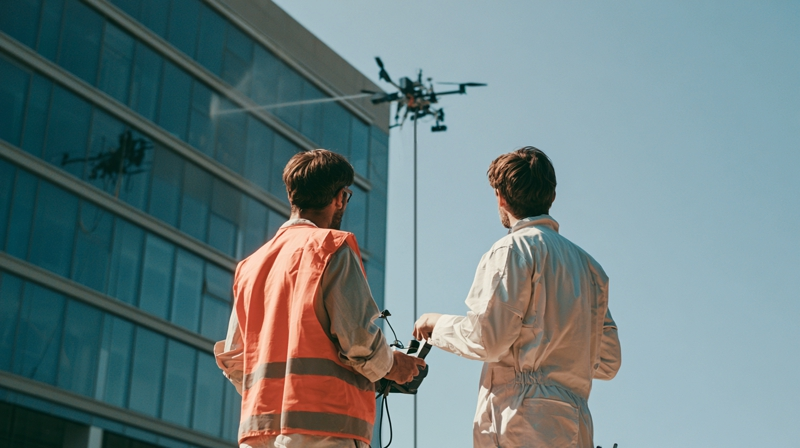
The economic argument is tied to one of the industry’s biggest costs: access.
Cleaning a high-rise building can require specialized equipment and workers operating at height. SkyPSI says removing some of those access requirements can reduce the cost of comparable high-access window cleaning by up to 50%, although the actual savings vary by property and scope.
The company is therefore betting on two markets at once.
For property owners, drones are positioned as another way to complete exterior maintenance. For independent operators, the same technology becomes a tool for building a commercial service business.
That second part may prove to be the more interesting development.
As robotics becomes more capable, access to the machines could become less important than access to the infrastructure needed to use them effectively. Training, customers, financing, maintenance, software, certification, and operational support can determine whether a robot becomes a useful business asset or an expensive piece of equipment.
SkyPSI is betting that packaging those elements together can help smaller operators enter a market that traditionally required significant equipment and specialized labor.
The company says it is starting with commercial cleaning, but the broader model could extend to other industries where robots can perform dangerous, repetitive, or physically demanding work.
For now, the company is focused on proving that a commercial drone can do more than automate a task.
It can become part of the infrastructure of a small business.